The problem: a queue at the gate and a logbook nobody reads
At most mall car parks, residential compounds and corporate campuses, visitors are still logged the way they were years ago: a car stops, a guard writes the plate number and the visitor's name in a book or a spreadsheet, then lifts the barrier. It works, but it has a cost:
- Queues at peak times because every car stops to be logged
- Typing mistakes that make the log unreliable
- A log that is hard to search: finding when a particular car came in two weeks ago means flipping through pages
- Security time spent on paperwork instead of the situations that need attention
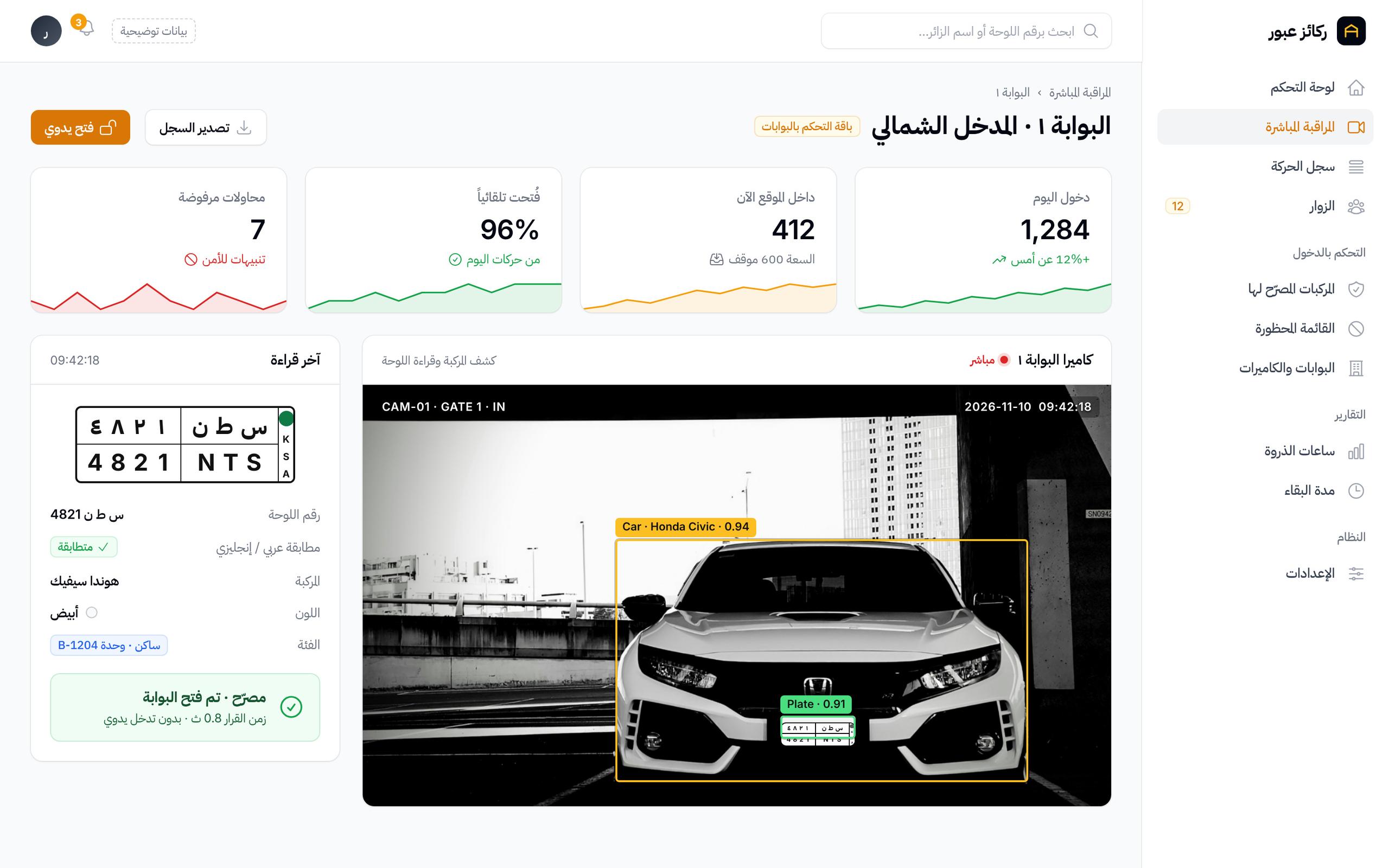
That is where Rakaiz Obour started: a camera at the gate that recognises each car and logs it automatically.
The idea looks easy until you test it
We built the first prototype with open-source tools: a YOLO model to detect the car in the image, and a text-reading (OCR) library for Arabic and English. The first result was encouraging and frustrating at the same time. The system did read the plate number, but it also read every other piece of text in the image, so we got symbols and words that had nothing to do with the plate. That showed us how far a working demo is from a product you can rely on.
The technical challenges and how we handled them
1. Read the plate, not the whole picture
Text-reading libraries read everything they see. The fix is a two-step pipeline: a model finds the plate itself first, then we crop it and read only the plate. This removes the noise and clearly improves accuracy.
2. A bilingual Saudi plate: a problem that became a feature
Every Saudi plate carries its digits and letters in both Arabic and English. At first this looked like extra complexity, but it is really an opportunity: each Arabic letter maps to one specific English letter. So the system reads both versions and checks that they match; if they don't, it knows the read is unreliable and reads again. That gives the system a built-in way to verify its own reading.
3. Take the colour from the car, not the scene
Our first colour method averaged the colours of the whole image, so the asphalt, the sky and the walls skewed the result. The fix is to measure colour only inside the detected car, ignoring the glass and shadows.
4. Night, day, dust and awkward angles
Clean test photos look nothing like what a gate camera actually sees: night lighting, sun glare, dust on the plate, and cars stopping at different angles. So the solution relies on cameras built for plate reading with night vision, and on training models with Saudi plate images taken in real conditions.
5. The decision has to be fast
In the Gate Control edition, a car cannot wait for a round trip to a distant server. Processing happens on a small device next to the gate (at the edge), a clear example of AI meeting the Internet of Things: the camera, the device and the barrier work together on site, and the dashboard shows the result as it happens.
6. Privacy is not a detail
A plate number and a photo of a car are personal data under the Personal Data Protection Law. So we designed the system with role-based access, a configurable retention period, and the option to host data inside Saudi Arabia.
The result: two editions for different sites
As we worked, it became clear that sites need different things, so we built the system in two editions:
- Visitor Log: records every vehicle with its photo, plate, make and colour, with visitor pre-registration via a WhatsApp link. The entry decision stays with security, backed by an accurate digital log.
- Gate Control: opens the gate automatically for authorised vehicles and registered visitors only, and alerts security about any unknown vehicle.
What we learned
- The first prototype shows the way but is not enough: off-the-shelf models are a good start, but accuracy comes from understanding the local problem and its data
- Local quirks can be an advantage: the bilingual Saudi plate became a verification tool
- AI alone is not enough: the real solution combines the camera, the device, the model, the dashboard and the regulatory requirements
- The goal is to support people, not replace them: the system takes manual logging off the security team so they can focus on what needs a person
Facing a similar challenge?
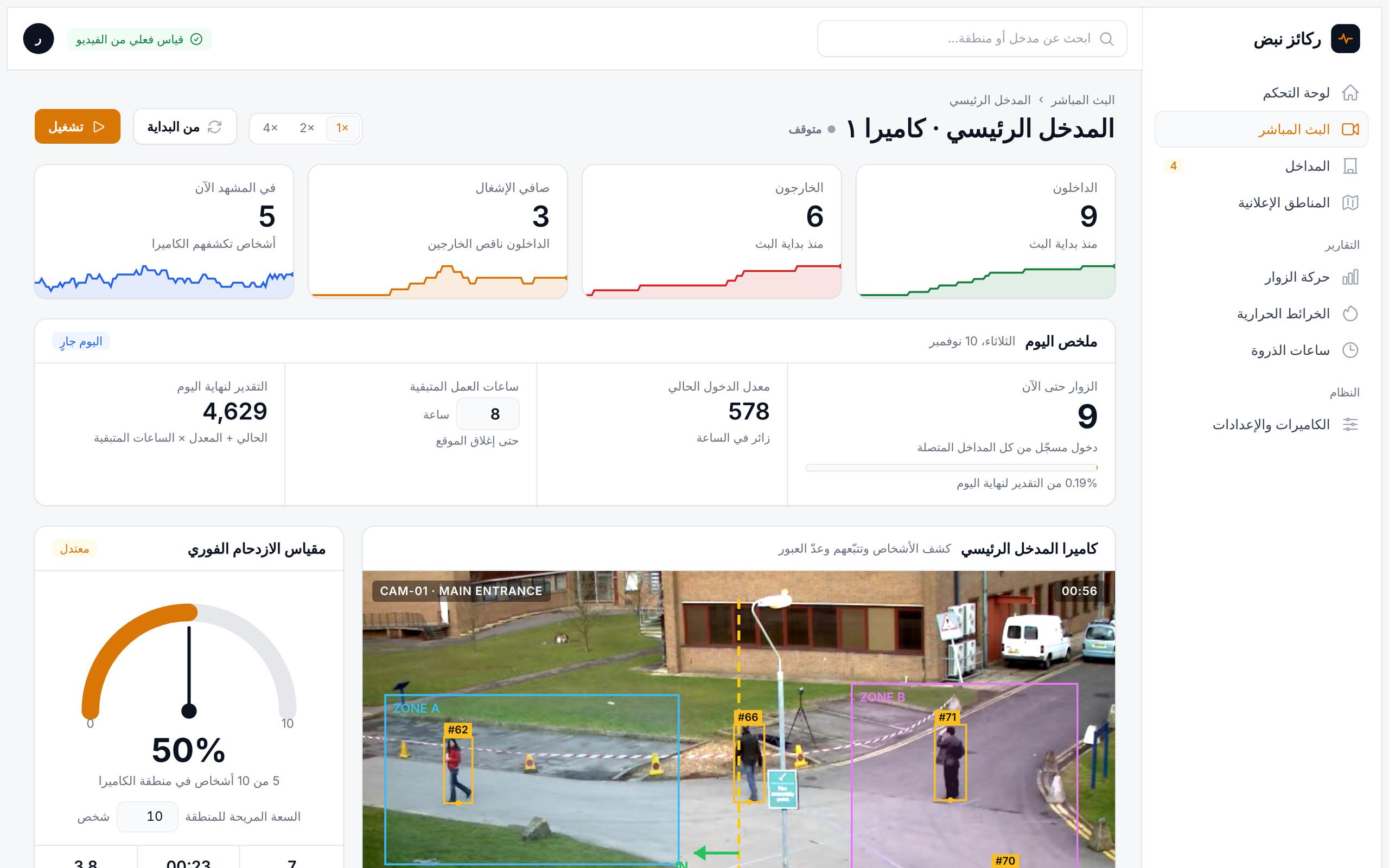
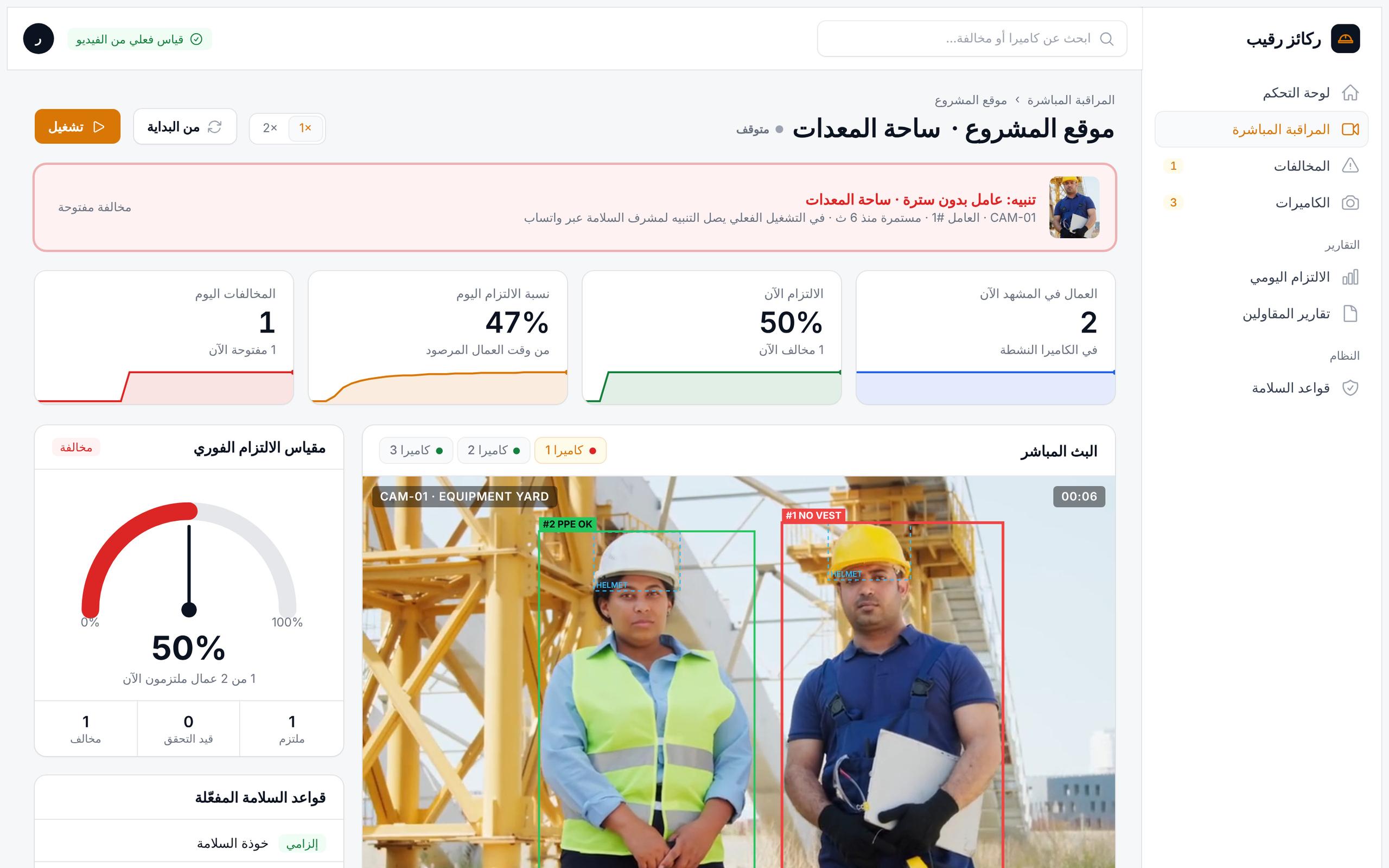
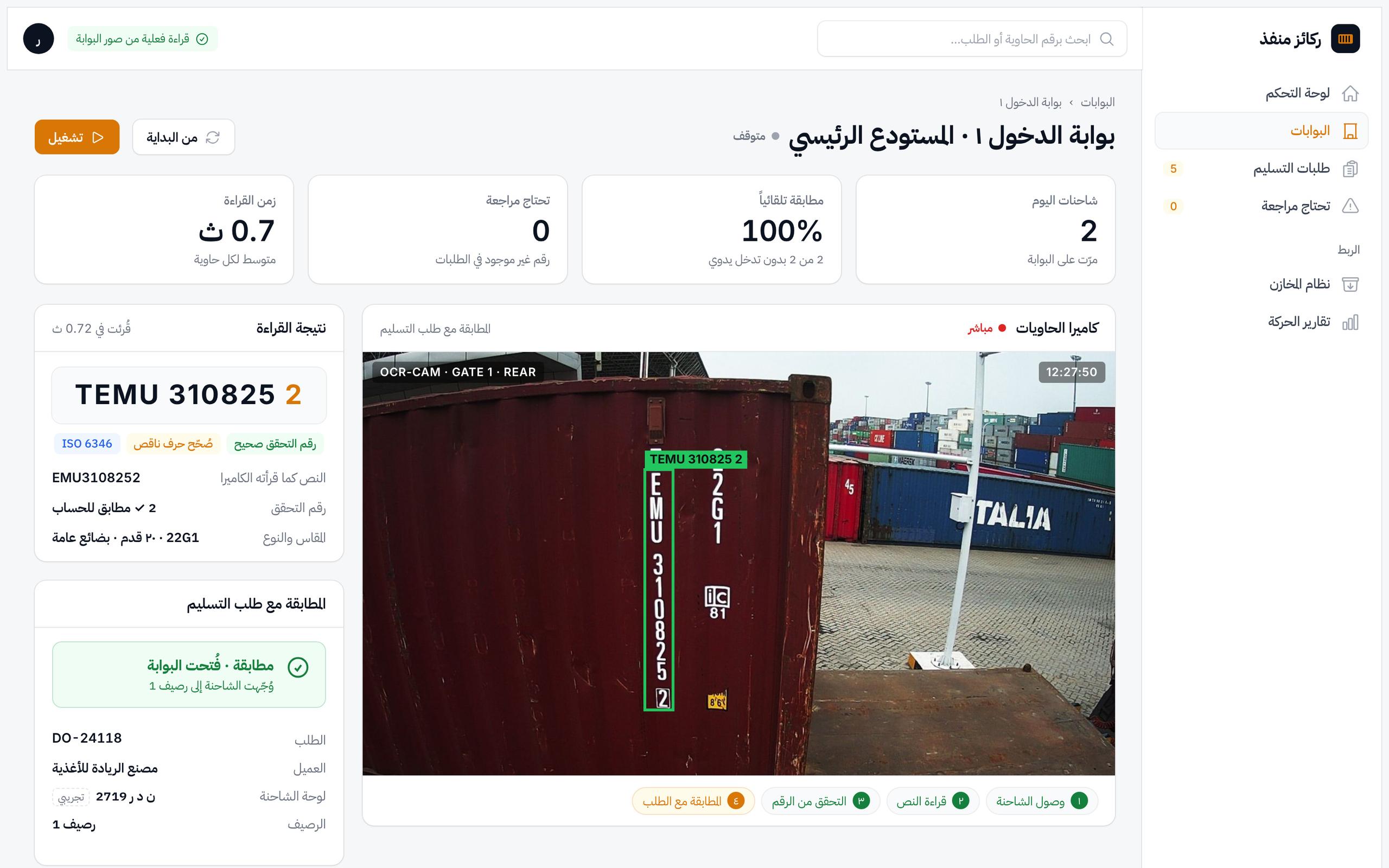
The same technology can solve other problems: counting visitors and measuring occupancy, checking safety gear on industrial sites, reading container and truck numbers, and extracting data from documents. See Rakaiz Nabd for visitor counting, or get in touch and we will assess with you whether AI can solve your problem.