The problem: eleven characters typed by hand
At a warehouse gate, a truck stops and a gate clerk walks over to write down the container number, then looks up the delivery order, then assigns a dock. A container number such as DFSU 411925 0 has 11 characters, and one wrong character means an order that cannot be found or a container unloaded in the wrong place. At peak times this turns into a queue of trucks.
The idea behind Rakaiz Manfath: a camera reads the number, a system verifies it and matches it with the warehouse system, and a decision comes in under a second.
The secret of a container number: the last digit
Container numbers follow the international standard ISO 6346: three letters for the owner code, one letter for the category (U for ordinary containers), six serial digits, then a check digit calculated from the previous ten characters. Every letter has a value, every position has a weight, and the total gives a digit from 0 to 9.
That digit is the most important part of the project. If the camera reads a number and the check digit does not match, we know for certain the read is wrong, so the gate never opens on an incorrect number.
What happened with real images?
We tested the system on real images from a container gate camera, using an open-source OCR engine (RapidOCR) running on an ordinary processor without a graphics card. Reading took between 0.7 and 1.1 seconds per image.
1. Lots of text, not one number
A container door carries plenty of text: the shipping line's name, the size code, weight and height markings, even signs in the background. So we do not take the first text found; we search all of it for the container-number pattern and accept only what matches the check digit.
2. Vertical text and a missing letter
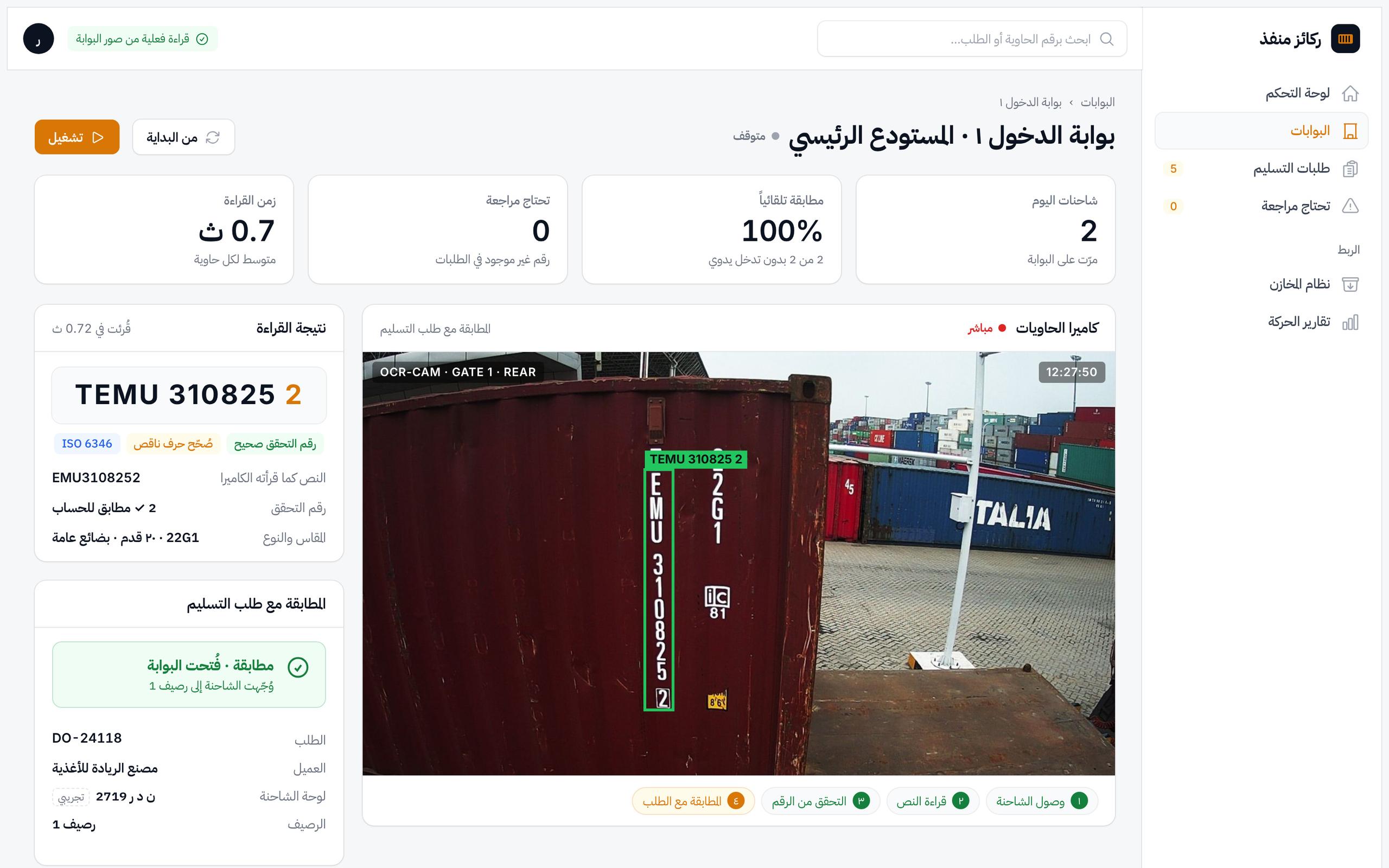
One container had its number written vertically, one letter above the next. The engine read EMU3108252 and missed the first letter. This is where the check digit helped: we tried every possible letter in the missing position, and only two matched the check digit, J and T. Because TEMU is a well-known registered owner code and JEMU is not in the list of owner codes we check against, we accepted TEMU3108252. In other words, we fixed the error without guessing.
3. A number split into two boxes
On another container, the engine read the number in full one time and split it into two parts another time: IRSU2 and 2657681, with the 2 repeated at the join. Neither part alone was a container number. The fix is to merge boxes that sit on the same line, also try the merge with the repeated character at the join removed, and let the check digit decide: IRSU2657681 is valid.
4. A correct read does not mean opening the gate
The third container was read correctly and its check digit was valid, but it was not among that day's delivery orders. The right decision here is not to open the gate but to refer it to the gate clerk to check the bill of lading. The system does not replace the clerk; it leaves them the cases that actually need them.
Linking to the warehouse system
The value of a read shows when it connects to the work. Manfath pulls the expected delivery orders from the warehouse management system, and on a match it updates the order to "arrived" and records the time and dock. The warehouse team knows what has arrived and what is late without a phone call, and can prepare for unloading before the truck reaches the dock.
What we learned
- Use the structure already in the data: the check digit in the international standard turned a hard OCR problem into one we can verify
- Correct with conditions, not guesses: no correction is accepted unless it matches the check digit and the owner registry
- Test on the gate's own images: vertical text and split boxes do not show up in clean lab photos
- The decision is part of the product: a correct read is not enough on its own; matching it to an order is what opens the gate
Running a container gate?
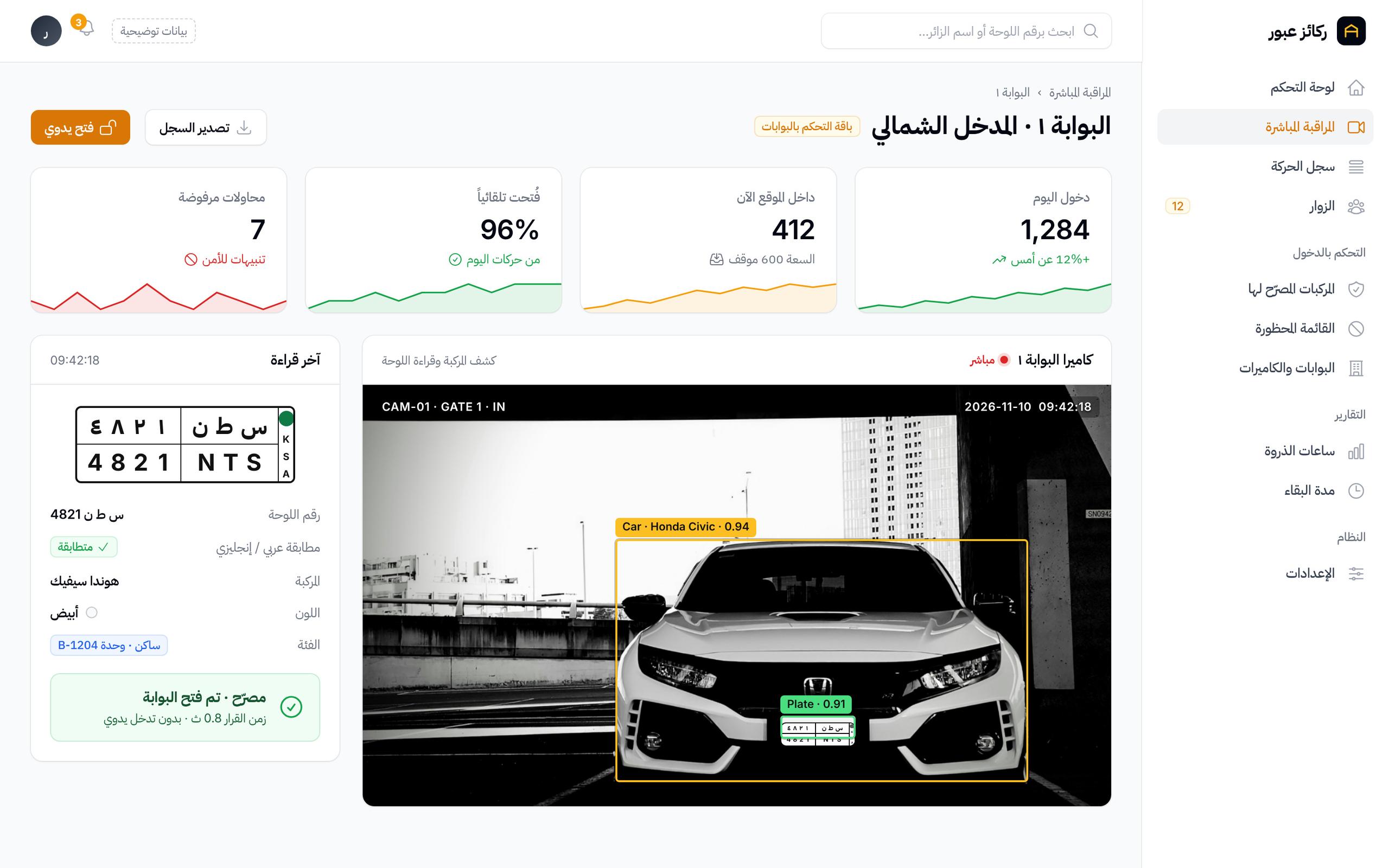
See Rakaiz Manfath, read about Rakaiz Obour, which reads vehicle plates, or get in touch and we will try the system on images from your gate.